
SaaS is
Dead.
Build your B.O.S.S.
Bespoke, Owned Systems & Software built around the way your business actually works.
The old answer to every business problem was to buy another platform. Another monthly fee. Another login. Another integration. Another workaround.
B.O.S.S. is the alternative: websites, apps, automations and customer journeys designed to work together properly, and built around your business rather than somebody else's software.
Adam Bonner
Founder, Convertico · Updated
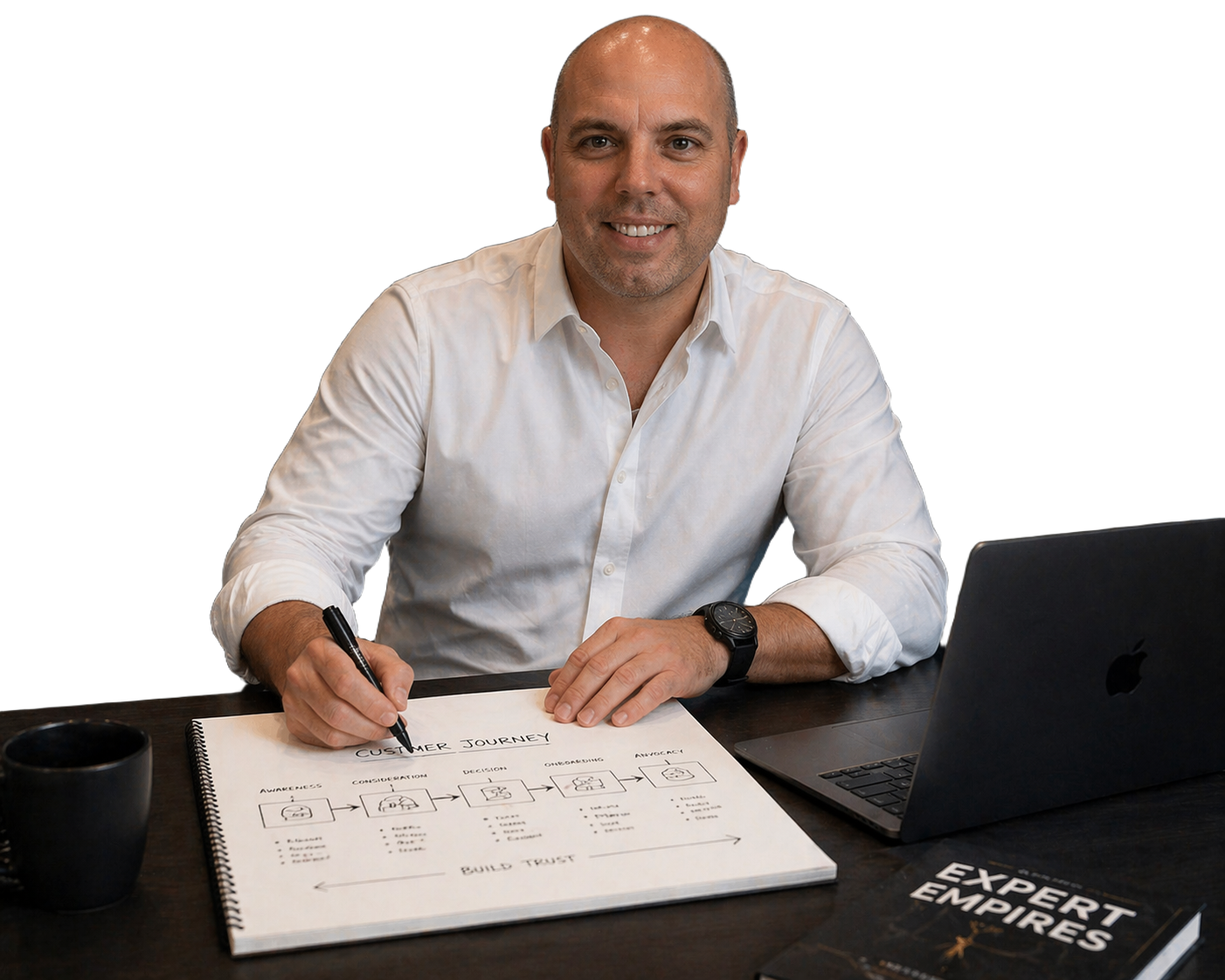
“Stop renting the systems your growth depends on.”
Adam Bonner
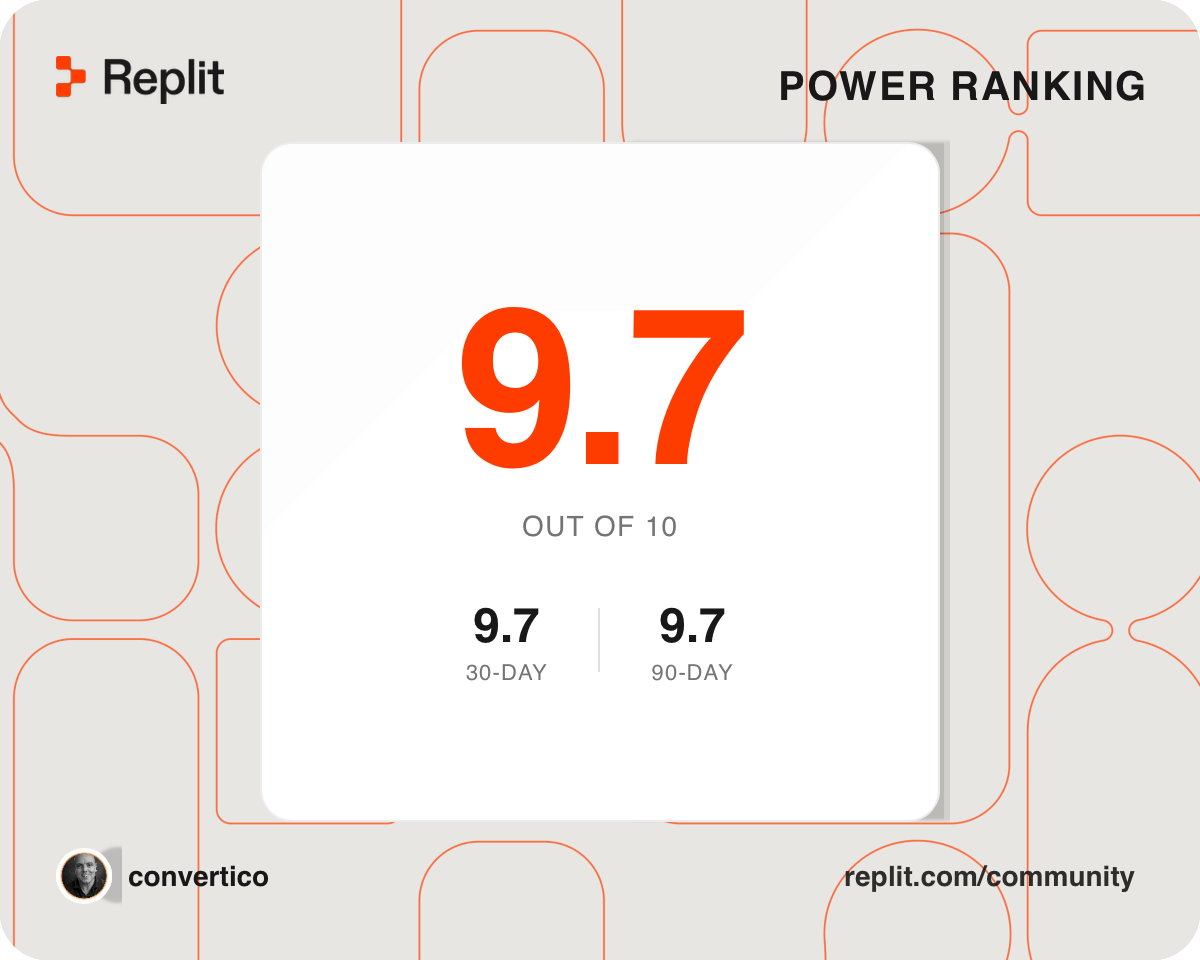
Replit Power Ranking
9.7 / 10
Top 1% of Replit builders globally
We don't simply recommend this approach.
We use the same tools and principles to build systems inside our own business. Adam Bonner ranks in the top 1% of builders on Replit globally.
What You Will Read
Table of Contents
What “SaaS is Dead” Actually Means
SaaS isn't disappearing. But the assumption that every important part of your business should depend on generic, rented software has had its day.
There was a time when building business software meant servers, large development teams and budgets most growing companies couldn't justify. SaaS changed that. Suddenly, a founder could sign up for a CRM, email platform or project-management tool in an afternoon and start using it almost immediately. That was a huge step forward.
The problem came later. We started treating SaaS as the answer to every problem. Need better follow-up? Buy another tool. Need better reporting? Add another dashboard. Need those platforms to communicate? Pay for an automation service to sit between them.
Before long, nobody has designed a system. The business has simply accumulated software.
You Don't Have a Software Shortage. You Have a Software Pile.
One system captures the lead. Another sends the emails. Another stores the customer details. A spreadsheet fills the gaps. Somebody copies information from one place to another and quietly hopes nothing gets missed.
Then another subscription gets added to solve the problem created by the previous five.
Somewhere along the way, businesses also started changing how they work to fit the limits of the tools they'd bought. Customer journeys were redesigned around what the platform could track. Team workflows were rebuilt around what the software permitted rather than what the business actually needed. A collection of subscriptions held together by digital duct tape, where removing one risks breaking three others.
A proper system works because its parts have been designed to work together.
That's not a system.
It's a stress.
The signal to watch for
If your team regularly says, “the system won't let us do that”, the software is no longer serving the business. The business is serving the software.
The Compromise Tax
The monthly software bill is rarely the real cost.
The real cost is the work your team does because the software doesn't fit. Copying data. Fixing integrations. Repeating tasks. Training people on workarounds. Losing leads between systems. Paying consultants to keep the whole thing connected.
That is the compromise tax: the time, money and opportunity lost because the business is working around its software.
Where the tax hides
You didn't build your business
to fit someone else's software.
What B.O.S.S. Means
B.O.S.S. stands for Bespoke, Owned Systems & Software: technology designed around the way one business actually works, rather than a generic platform designed for thousands of businesses.
It can connect your customer journey, automate repeated work, capture your knowledge and give your team one clearer way to operate.
Bespoke
Built around the way your business actually works. Your terminology, your workflow, your decisions.
Owned
Meaningful control over the system, data and direction, always defined clearly in writing.
Systems
The connected journeys, rules and processes behind the software, joined up from start to finish.
Software
The applications, portals, databases and interfaces your team and your customers actually use.
To Be Clear
It doesn't mean rebuilding every tool you use.
That would be daft.
It means owning the parts that make your business different and using proven software for the boring, standard stuff.
Buy the Boring Stuff.
Build What Makes You Different.
You probably shouldn't build your own email service, payroll system, video-call platform or accounting package. Those problems have already been solved.
Rent the commodity. Own the competitive advantage.
Build when the process contains something distinctive. That's where bespoke software starts becoming commercially interesting.
It's why we run both sides of this ourselves. Our own platform, Experts Unlocked, provides the reliable commodity infrastructure, CRM, email, calendars and funnels, while B.O.S.S. handles the bespoke workflows, intelligence and applications a business shouldn't force into generic software. Use reliable platforms for common infrastructure. Build bespoke, owned systems for the processes and intellectual property that create your advantage.
Buy these
Email, bookkeeping, payroll, video calls, calendars, file storage.
Build these
Your qualification system, customer journey, client portal, onboarding workflow, diagnostic tools, the reporting your decisions actually need.
Build when the process is distinctive
The strongest cases for building are the processes that make your business yours:
How you diagnose a customer's problem
How you qualify an opportunity
How you deliver your methodology
How your clients access your expertise
How your team makes important decisions
How the customer experiences your business
Why Is This Possible Now?
Until recently, bespoke software was mainly for large companies with large budgets and internal technology teams. That has changed.
AI helps experienced builders produce and test software much faster. Modern hosting means a growing business doesn't need its own server room or IT department. Existing services can be connected rather than rebuilt from scratch. And proven components can be reused, reducing both time and cost.
You no longer need a year, a team of 20 developers and a seven-figure budget to build something useful.
That doesn't mean good software appears instantly. It still needs clear thinking, proper planning and experienced oversight. But bespoke software is now a realistic option for far more businesses than it was five years ago.
What a B.O.S.S. Looks Like
Two live examples of bespoke systems Convertico has designed, built and delivered for real businesses.
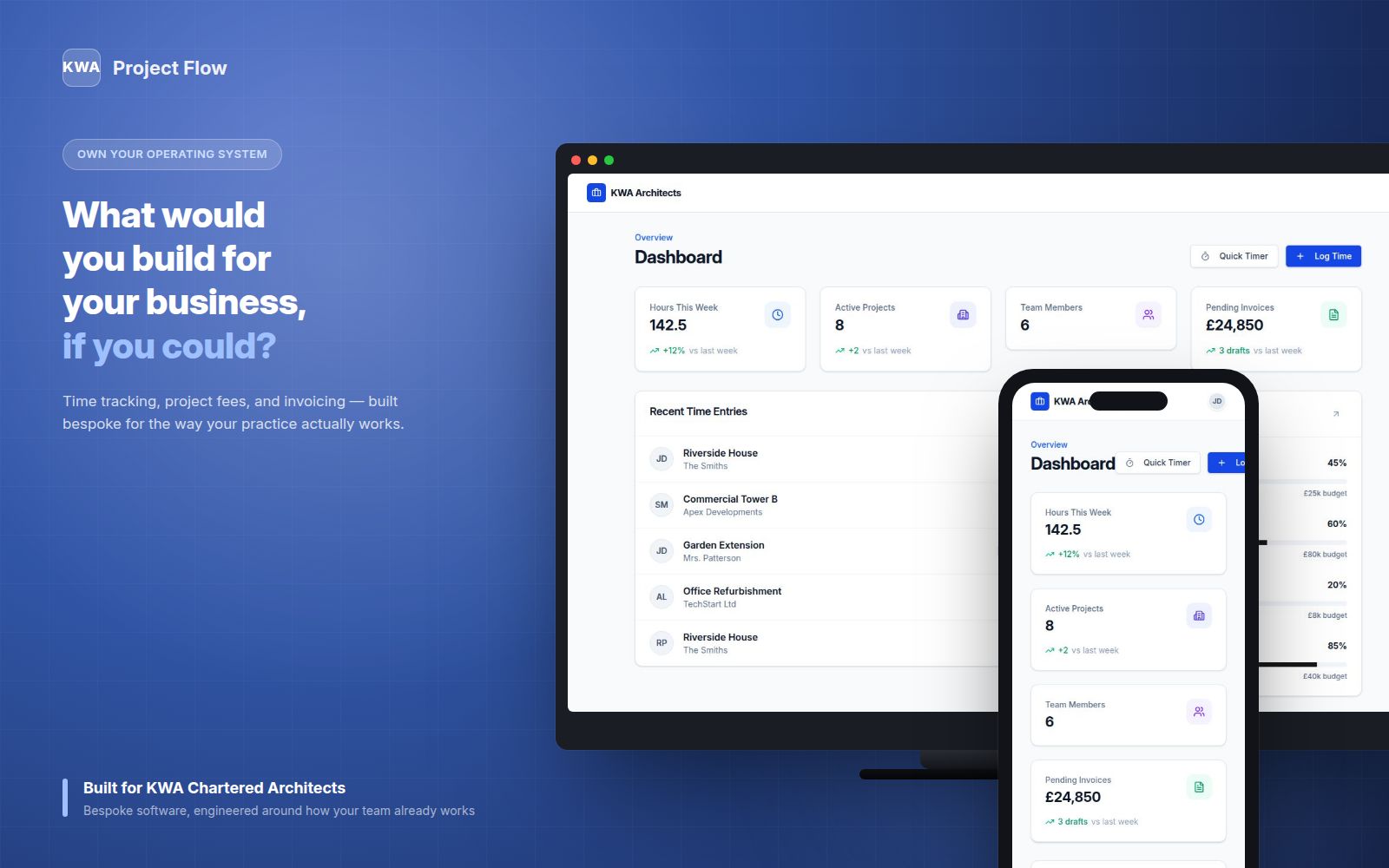
KWA Project Flow
Before
Project time, fees, invoicing and profitability were spread across four separate tools.
We built
One system designed around KWA's actual project workflow.
Now
The team can track time, manage fees, generate invoices and see live project profitability without moving information between platforms.
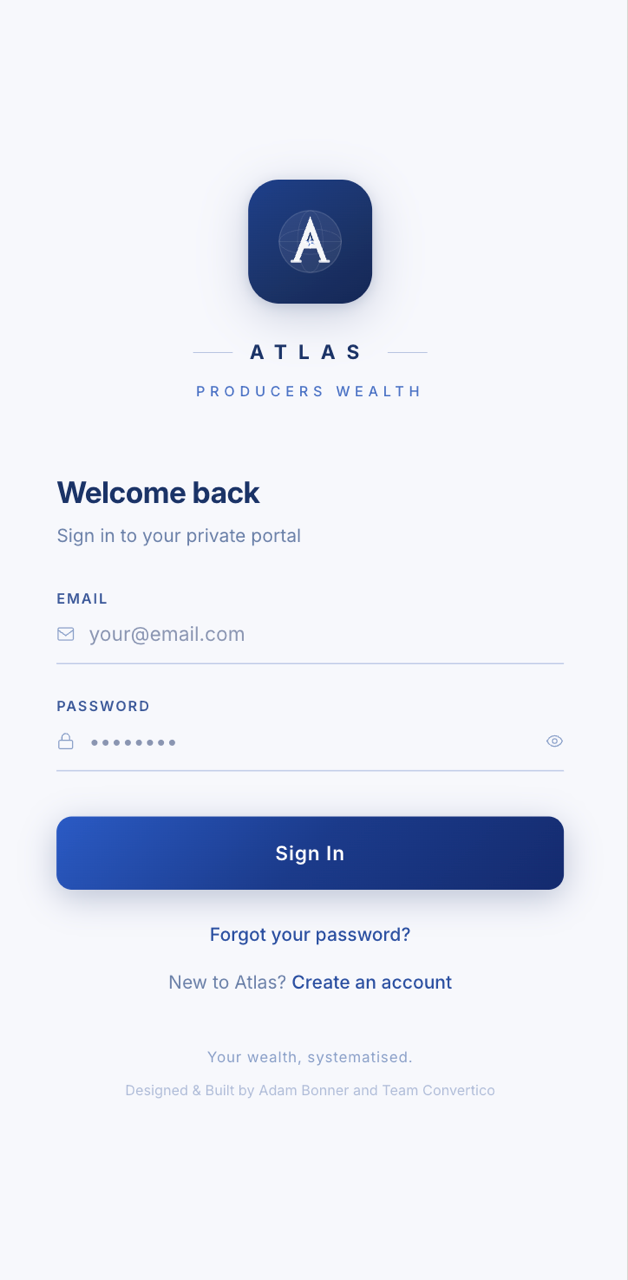
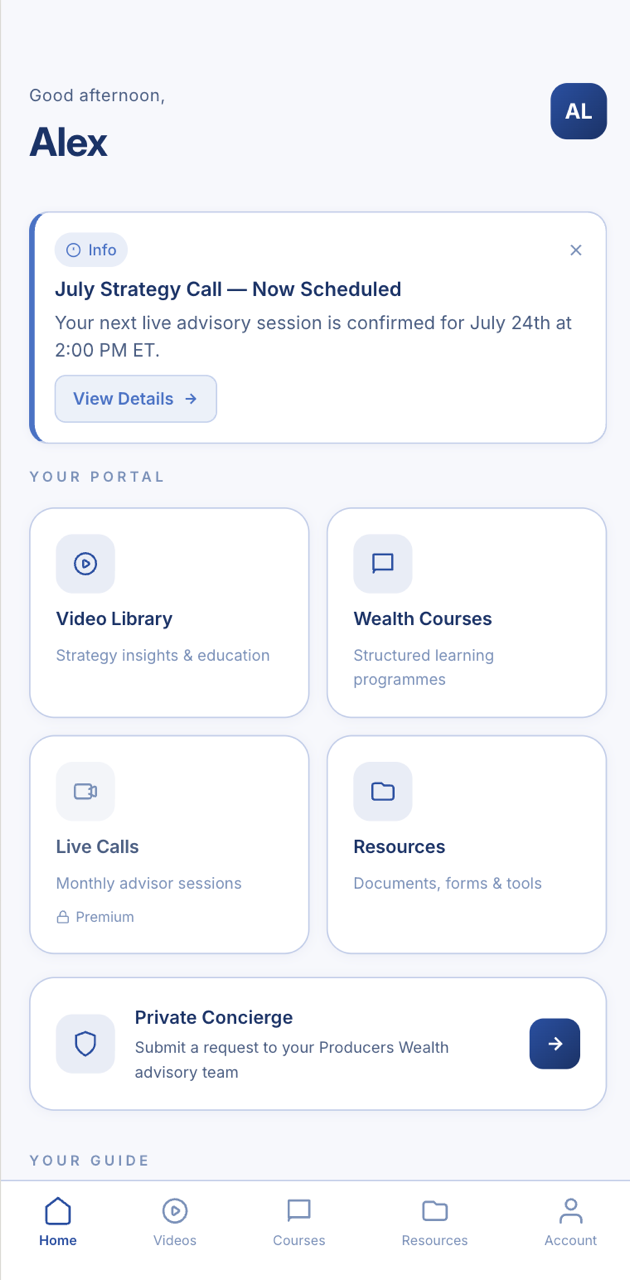
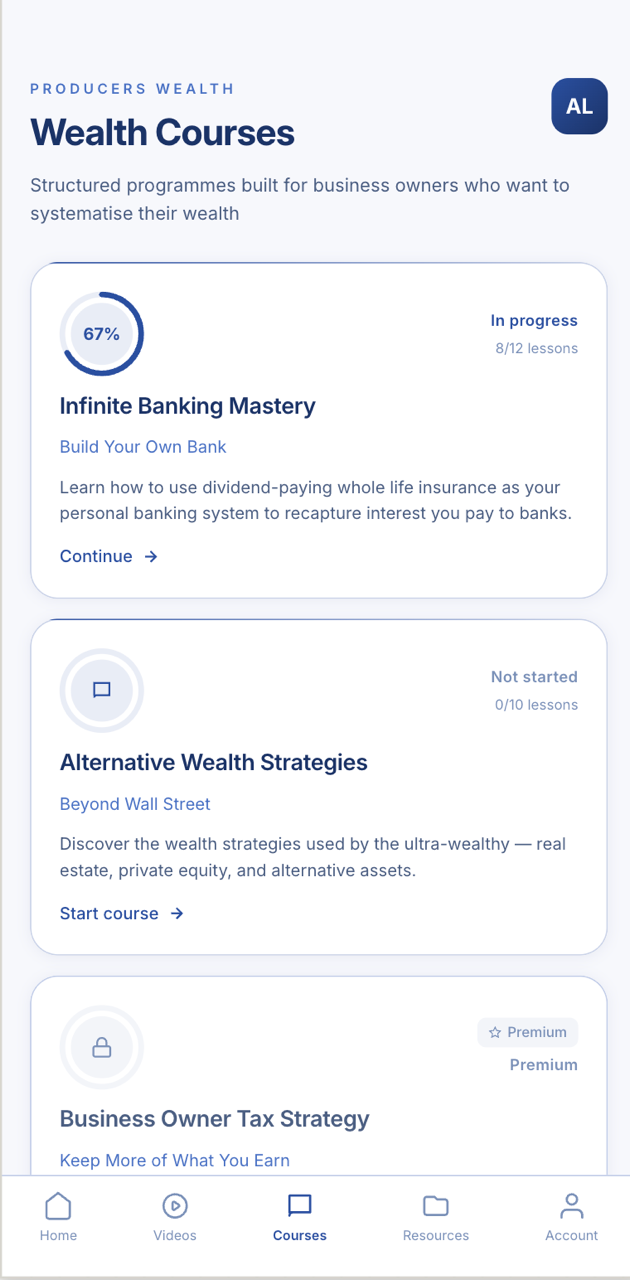
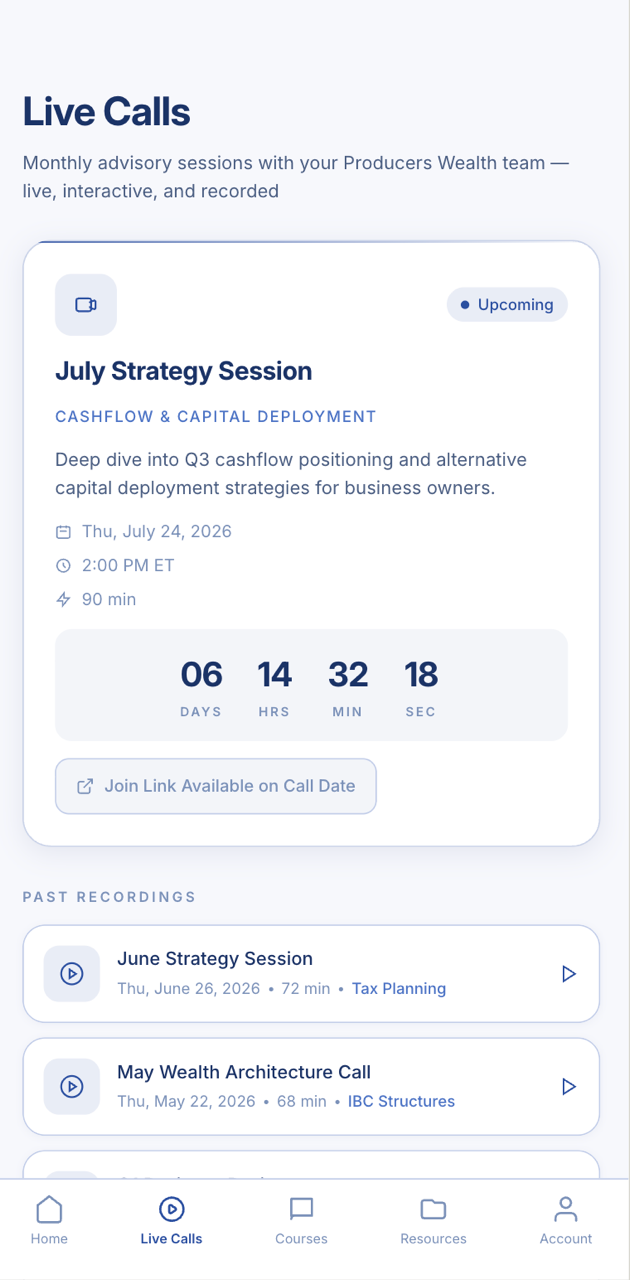
Atlas: Producers Wealth
Before
Clients previously moved between a CRM, course platform, document store and booking system.
We built
Atlas, a fully branded client portal and mobile app built around the firm's own methodology.
Now
Clients have one place to learn, attend calls, access resources and speak to the team.
Illustrative example, not a live project
What a B.O.S.S. Could Look Like for an Expertise-Driven Business
Imagine a consultancy currently juggling separate tools for lead capture, CRM, bookings, email follow-up, onboarding and reporting.
A prospect lands on the website and answers a short set of diagnostic questions. The system scores their situation, creates a personalised report and recommends the next step. The right follow-up starts automatically, and the right team member gets a heads-up with useful context. When the prospect becomes a client, onboarding happens without manual admin, and management sees the whole journey on one clear dashboard.
The value isn't simply replacing several subscription fees. The greater value comes from one coherent customer journey, built around the company's own strategy and knowledge.
Wondering what yours could look like?
You don't need to replace everything. Start by finding the one workflow creating the most friction.
Find the First System Worth BuildingSaaS versus B.O.S.S.
A fair comparison. Both models have genuine advantages. The question isn't which is better in the abstract, it's which is better for the workflow in question.
| Dimension | SaaS | B.O.S.S. |
|---|---|---|
| Best suited to | Standard, widely shared problems | Distinctive, commercially important processes |
| Speed to begin | Usually quick | Requires planning and building |
| Initial cost | Usually lower | Usually higher |
| Fit | Configured within the platform's limits | Designed around the business |
| Maintenance | Managed mainly by the vendor | Must be actively managed |
| Control | Vendor controls features and roadmap | Business has greater control |
| Flexibility | Limited to available settings and integrations | Can evolve around changing needs |
| Ownership | Access is rented | Ownership or control is contractually defined |
| Long-term value | Delivers useful functionality | Can also capture process, knowledge and IP |
The honest caveat
A B.O.S.S. requires upfront investment, clear process design and active management. Ownership doesn't mean zero ongoing cost. It means the business has greater control over what it pays for, how the system develops and who can maintain it.
Strategy Before Software
The first question should never be: “Which platform should we use?”
It should be: “What should happen?”
What should a potential customer experience? What information does the team need? Where are opportunities currently being lost? What should happen automatically? Which parts genuinely need to be bespoke?
Once those questions are answered, the technology becomes much easier to choose. That's why every B.O.S.S. project should begin with strategy, not software.
Old model
"Which platform should we use?"
Platform-led. The answer exists before the question is asked.
B.O.S.S. model
"What should happen?"
Strategy-led. Technology follows the business, not the other way around.
How to Start Without Rebuilding Everything
Nobody needs to rebuild everything. Start by solving one valuable problem properly.
Step 1: Find the Real Problem
Identify the repeated work, broken journey or commercial bottleneck worth solving.
Step 2: Map What Should Happen
Design the simplest useful process before choosing technology.
Step 3: Build the Smallest Valuable Version
Solve one important problem properly rather than rebuilding the whole company.
Step 4: Use It, Measure It and Improve It
Let real behaviour and results decide what gets built next.
Ownership, Maintenance and Responsibility
Owning software doesn't mean you're left to manage it alone.
It does mean the responsibilities need to be clear. Before any B.O.S.S. engagement, get clear, written answers to these questions. A serious partner will welcome them.
Who legally owns the source code?
Can we export all of our data at any time?
Can another developer maintain the system if needed?
Are third-party services and connections documented?
Where is the system hosted, and how is it backed up?
What happens if our current supplier disappears?
How are security and updates managed?
What ongoing costs should we realistically expect?
What documentation will we receive?
Ownership should come with a proper plan
A good B.O.S.S. partner should document the system, protect the data, maintain backups, manage updates and make sure another capable developer could take over if necessary. You should know what you own, what still relies on third parties and what the ongoing costs will be.
The Shift
The first era of business software asked,
"Which platform should we use?"
The next era asks,
"What should happen?"
That's the shift from SaaS to B.O.S.S.
About the Author
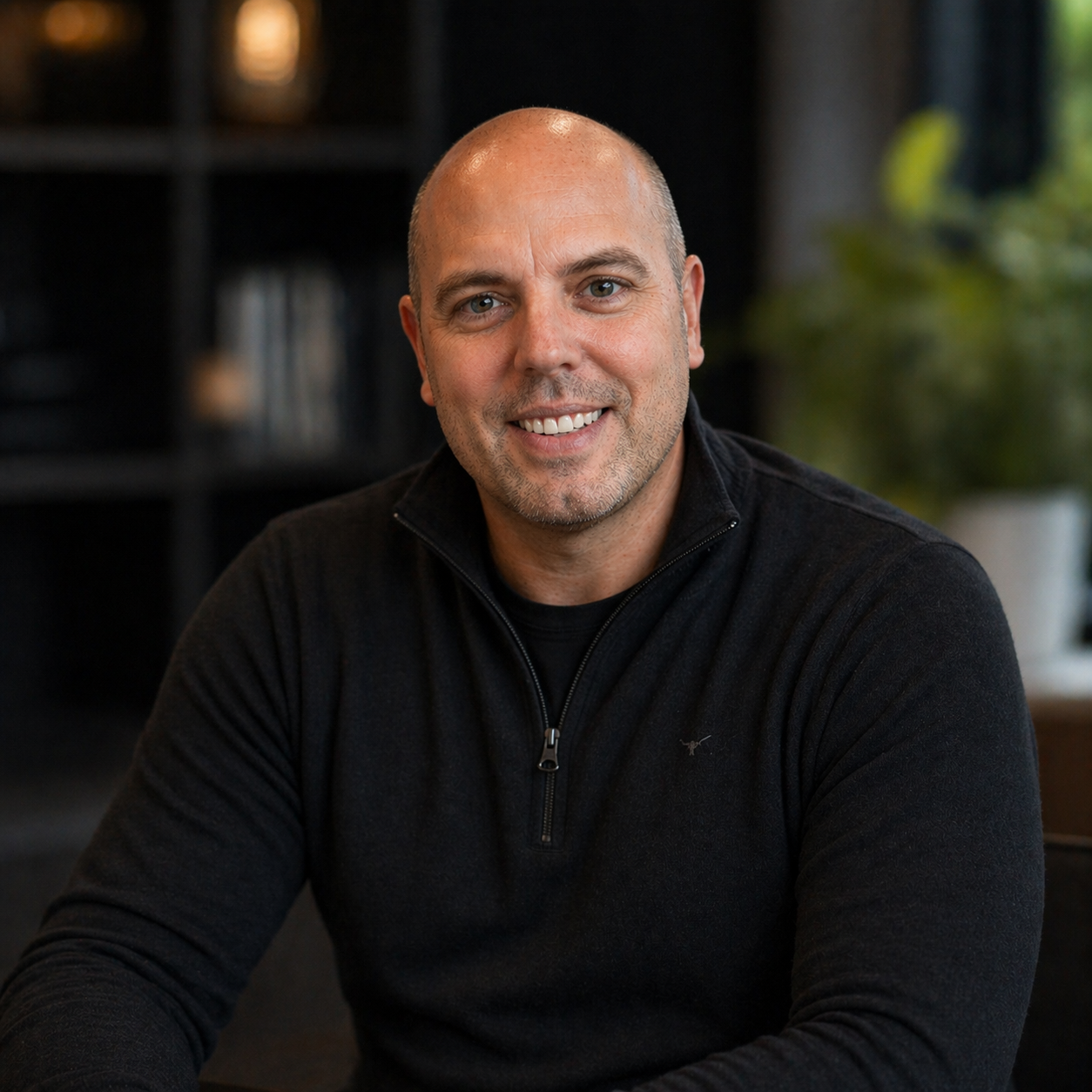
Adam Bonner
Adam Bonner is the founder of Convertico, a Cambridge-based company that helps founder-led businesses design and build the websites, applications, automations and customer journeys they need to grow.
Over the past decade, Adam has built more than 250 digital systems and assets across professional services, consulting, financial advice and expertise-driven businesses.
Convertico ranks in the top 1% of builders on Replit globally, with a power ranking of 9.7 out of 10. We don't simply recommend this approach. We use the same tools and principles to build systems inside our own business.
Replit Power Ranking: 9.7 / 10
Top 1% of Replit builders globally, 30-day and 90-day

Common Questions About B.O.S.S.
Find the First System
Worth Building
You don't need to replace everything.
A B.O.S.S. Blueprint identifies the one workflow creating the most friction, maps what should happen instead and shows whether you should connect, replace or build. You leave with a clearer plan, before anyone starts developing software.
Adam Bonner
Founder, Convertico | Cambridge, UK